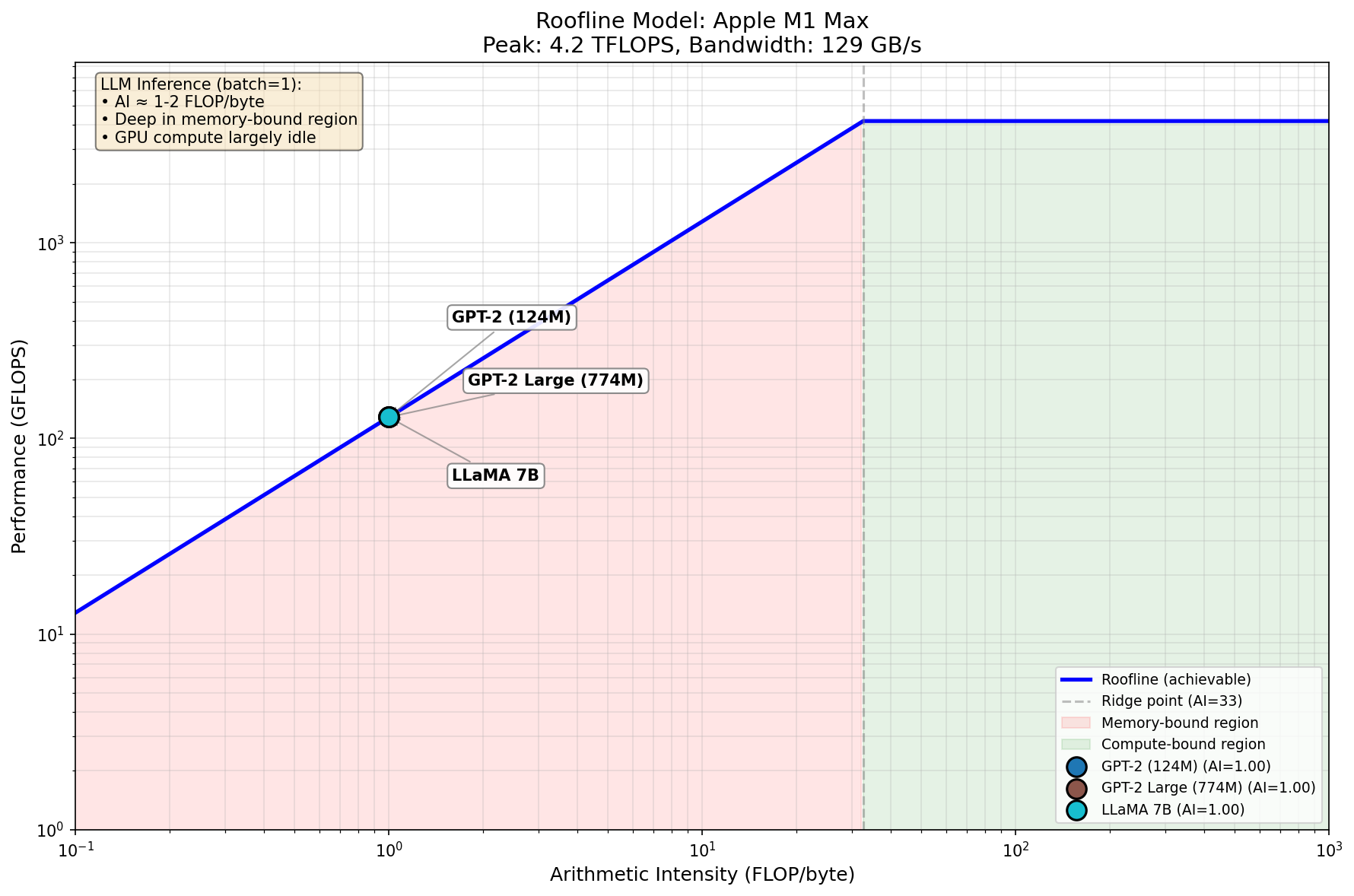
Making LLMs Faster: My Deep Dive into Speculative Decoding
A deep dive into implementing speculative decoding from scratch, with benchmarks on GPT-2 and extensions to diffusion models.
MIT Tech Review named mechanistic interpretability a 2026 Breakthrough Technology. Anthropic open-sourced circuit tracing. Here's what actually changed, how it connects to the activation probes I built for sandbagging detection, and why production teams should care.
Reinforcement Learning with Verifiable Rewards powers every reasoning model worth talking about. But it only works where you can check the answer automatically. Extending it to messy, real-world domains is the hardest open problem in LLM training right now.
MCP handles agent-to-tool. A2A handles agent-to-agent. A2UI handles agent-to-interface. Together they form a protocol stack that nobody has mapped properly - including the security gaps that should terrify you.
First empirical demonstration of activation-level sandbagging detection. Linear probes achieve 90-96% accuracy across Mistral, Gemma, and Qwen models. Key finding - sandbagging representations are model-specific, and steering can reduce sandbagging by 20%.
I tested activation steering on 4 agent behaviors across 3 models. The results surprised me.
A practical framework for evaluating your multi-agent context management strategy. From ad-hoc string concatenation to self-evolving context systems - where does your architecture stand?
A deep dive into implementing speculative decoding from scratch, with benchmarks on GPT-2 and extensions to diffusion models.
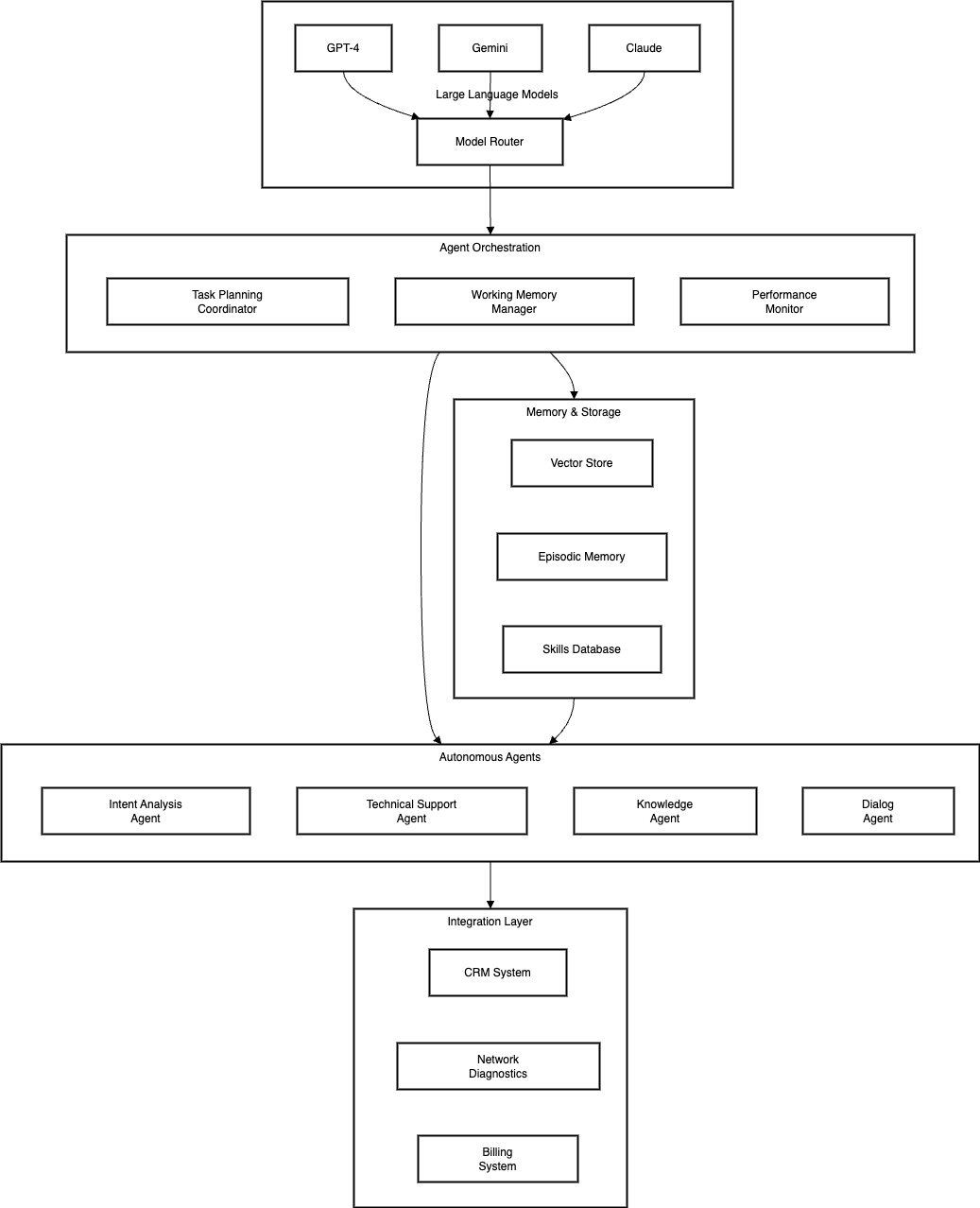
Dive into the world of autonomous AI agents with practical implementations, code examples, and real-world scenarios. Learn how to build intelligent systems with advanced memory management, dynamic prompt evolution, and sophisticated monitoring capabilities in telecom customer service.
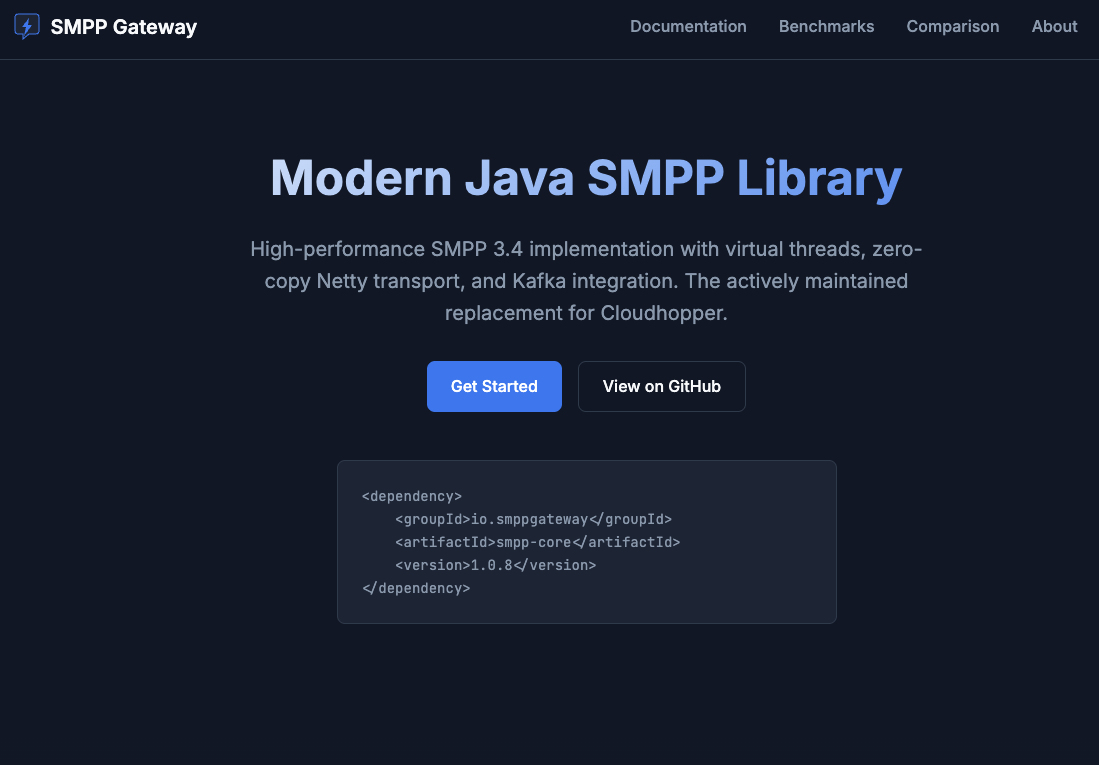
The story behind smpp-core - a clean-room Java 21 implementation of the SMPP protocol. Why I replaced Cloudhopper, what went into it, and actual benchmark numbers.
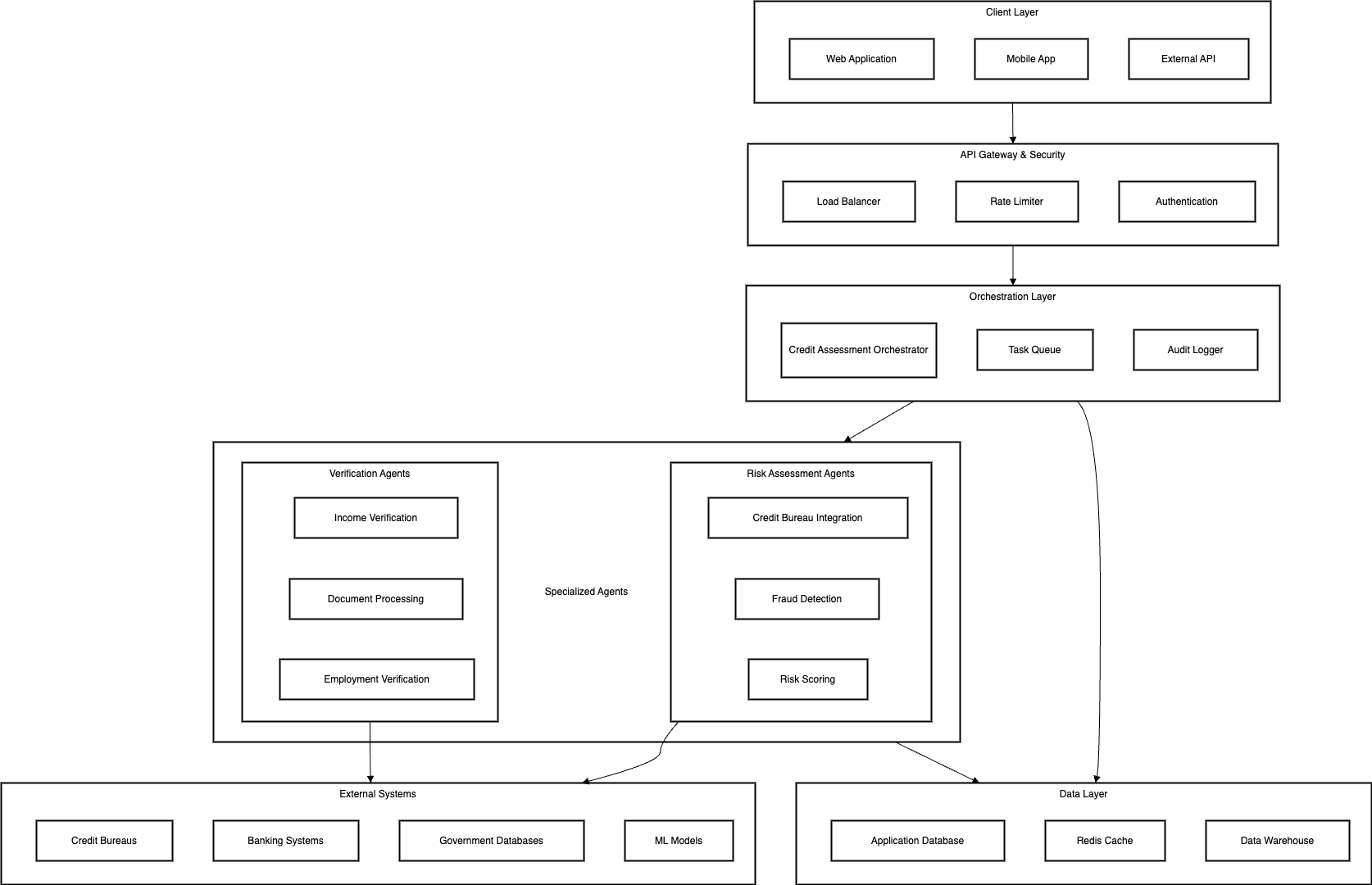
Explore a detailed technical implementation of a multi-agent system for retail banking credit assessment. Learn about agent architecture, distributed systems patterns, error handling, compliance requirements, and performance optimization through actual code examples and system diagrams. Ideal for software architects and engineers building scalable financial systems.
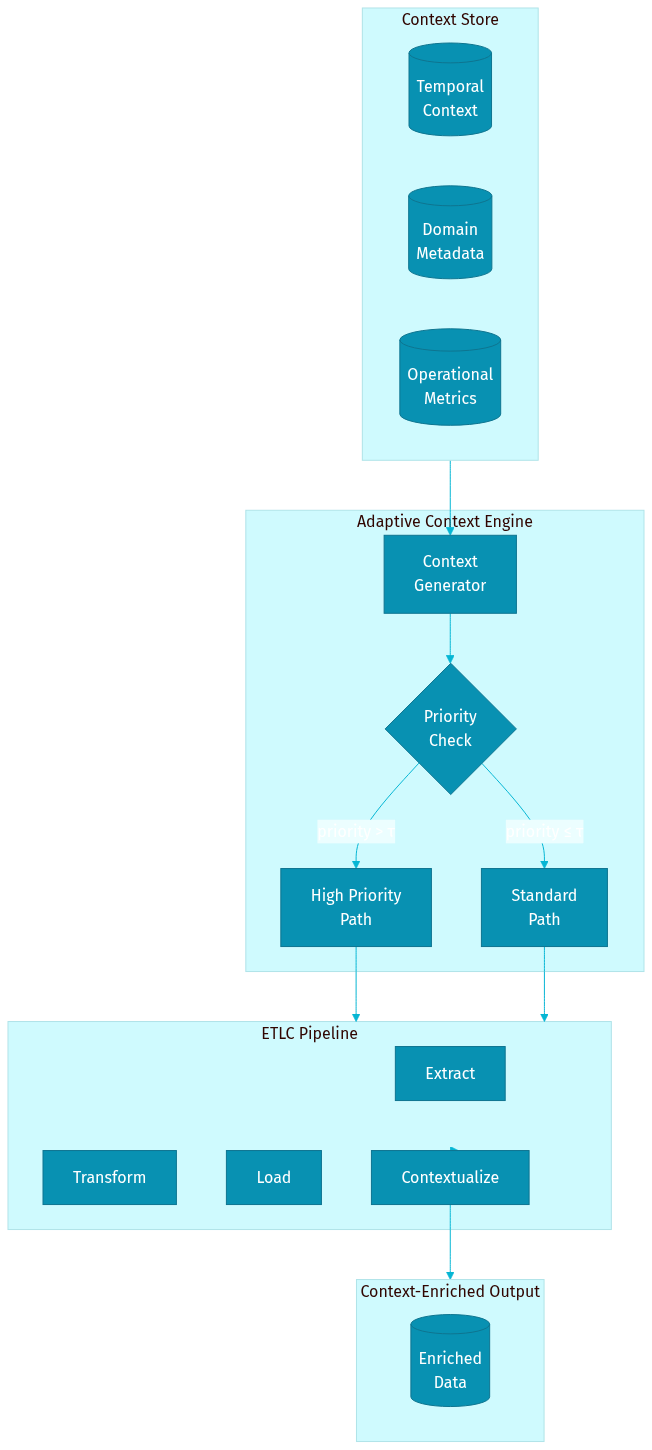
Think your data pipelines could do more than just process information? ETLC 2.0 takes data engineering to the next level with Adaptive Context, Contextual Joins, and a scalable Context Store. It's not just about moving data—it's about making it intelligent. Ready to unlock the future of data pipelines? Read on.