Who Needs Exact Answers Anyway? The Joy of Approximate Big Data
Discover how sacrificing a bit of accuracy can lead to huge gains in big data analysis speed and efficiency.
First empirical demonstration of activation-level sandbagging detection. Linear probes achieve 90-96% accuracy across Mistral, Gemma, and Qwen models. Key finding - sandbagging representations are model-specific, and steering can reduce sandbagging by 20%.
I tested activation steering on 4 agent behaviors across 3 models. The results surprised me.
A deep dive into building distributed LLM evaluation infrastructure that actually scales - architectural decisions, trade-offs, and lessons learned.
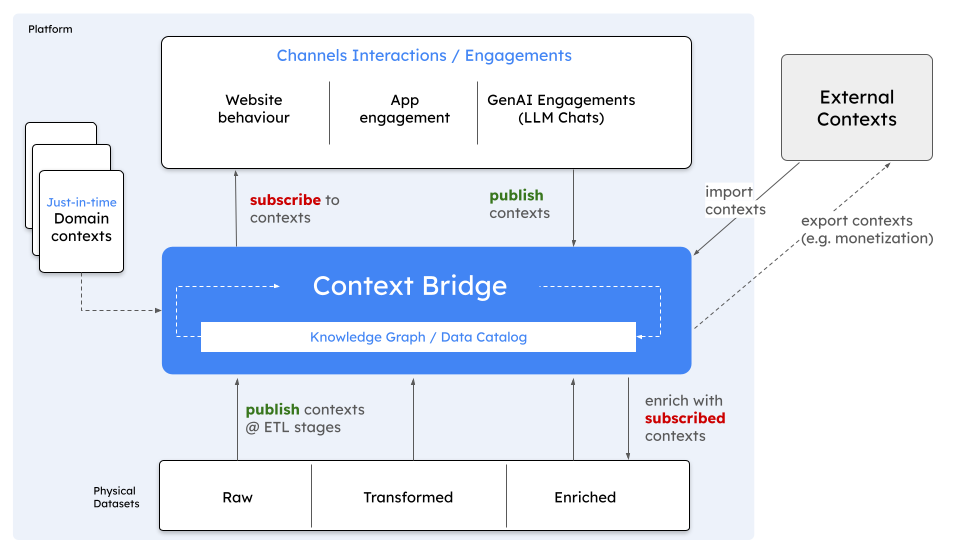
A practical framework for evaluating your multi-agent context management strategy. From ad-hoc string concatenation to self-evolving context systems - where does your architecture stand?
A hands-on exploration of writing custom GPU kernels with OpenAI Triton, going from PyTorch's 11% bandwidth utilization to 88% on RMSNorm.
A deep dive into implementing speculative decoding from scratch, with benchmarks on GPT-2 and extensions to diffusion models.
Discover how sacrificing a bit of accuracy can lead to huge gains in big data analysis speed and efficiency.
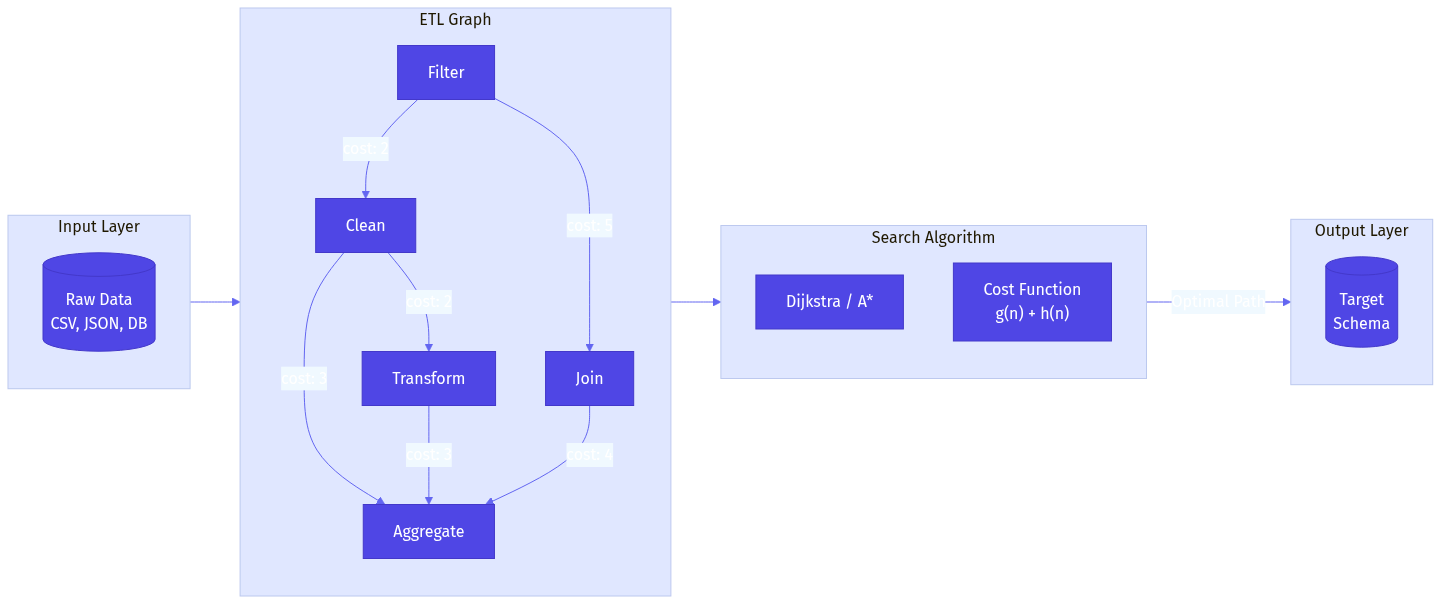
Explore how genetic algorithms revolutionize data platforms, offering adaptive, dynamic solutions to meet complex challenges in the fast-evolving digital landscape.
Grover’s Algorithm and the Revolution of Quantum Search Efficiency
Advancements in data management, from warehouses to Data Mesh and Lakehouse, signal a shift toward more adaptive platforms like, Quantum Data Management, Genetic algorithm concepts, etc.